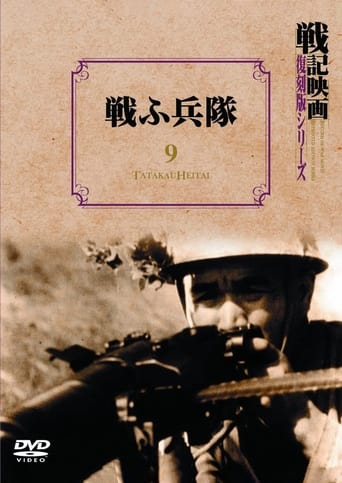
Documentary of an Imperial Japanese Army regiment's advance from Shanghai to Wuhan in 1938. This film was shelved before submission to Home Ministry censors amid rumors that Fumio was a Communist.
With the help from reconstructions and memories, several people recall the fateful days when the German warship 'Altmark' carried British prisoners of war in Norwegian waters, prior to Hitler's decision to have Norway occupied.
Federal General Judson Kilpatrick is known to many as “Kill Cavalry,” not for the number of enemy troops he has killed, but his own, due to brash decisions that lead to heavy Federal casualties.
Major Gaylord grapples with a vexing command in the Korean War. Aired by Studio One in Hollywood, sponsored by Westinghouse.
A Vietnam veteran and aspiring filmmaker spirals through a world of fragments and interludes that offer as much surreal comedy as existential dread.
In 1919, a group of Japanese immigrants arrives in Hawaii. Among them Yoshio Inoue and his wife Kishimo and Sumi, a young woman ready to get married soon. With the soil that is hard to work and the subtropical climate, the immigrants have to cope with a hard life. But after years of hard work, Yoshio finds work as a teacher while his wife manages to open a small grocery store. But with the war around the corner, life becomes more and more complicated for the Japanese immigrants in a foreign country.
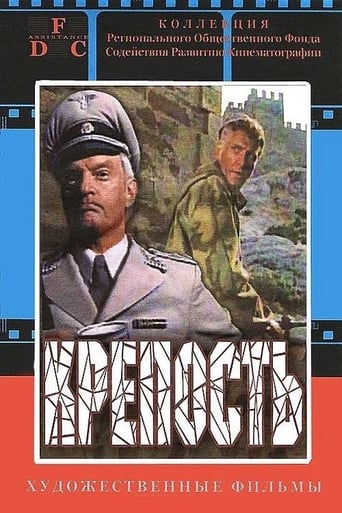
A group of Soviet paratroopers are engaged in a secret operation in Adriatic sea during the last year of WWII.
A few weeks before the opening of the Eichmann trial, transcripts of recorded conversations that Adolf Eichmann had with a Dutch Nazi journalist, Willem Sassen, were mysteriously handed over to prosecutor Gideon Hausner. The conversations were held a few years before Eichmann was brought to Israel by the Mossad. During the trial, Eichmann tried to convince that he was only a bureaucrat who carried out orders, but in the transcripts, Eichmann was found boasting and proud of his significant role in planning and executing the Final Solution. For the first time, we will confront Eichmann with himself in full color, revealing the hidden factors and motives that succeeded in hiding these recordings.
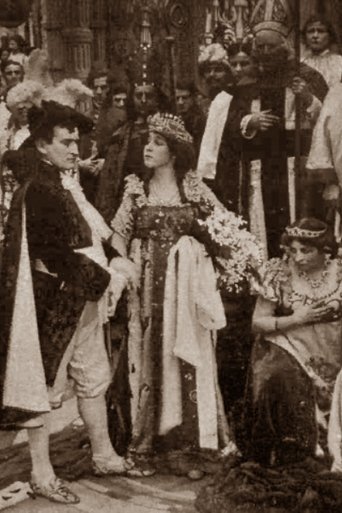
Part two of Blackton's "The Life of Napoleon". After Waterloo, Napoleon reminisces. His triumphs are seen in flashback. The film ends with the exiled Napoleon overlooking the beach of St. Helena.
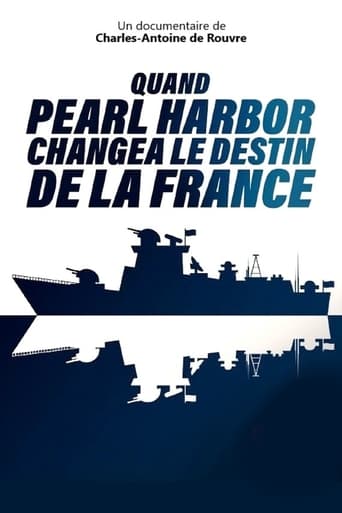
Following Japan's attack on Pearl Harbor, America was rife with rumors about the size of Japan's armed forces and how well-equipped they were to wage war against the U.S. Using animation, the first part of this film dispels these rumors by showing that the U.S. had more raw materials and more fighting ships. The narrator also cautions moviegoers against spreading rumors (which are often initiated by enemy infiltrators to create fear and dissention) and believing everything they read in the newspapers. Just because "they say" something, that doesn't make it true.
In 1945, twelve million homeless children wandered through the rubble of a Europe that had just emerged from the deadliest conflict it had ever known. An unprecedented number of children were separated from their parents or orphaned. Under the guise of the best interests of these children and of the nation, France, the United States, Great Britain and the countries of Central Europe embarked on a veritable race for children. By demographic opportunism, by fear of seeing them indoctrinated by a new totalitarianism, these countries move and adopt these orphans, erasing their history and their identity.
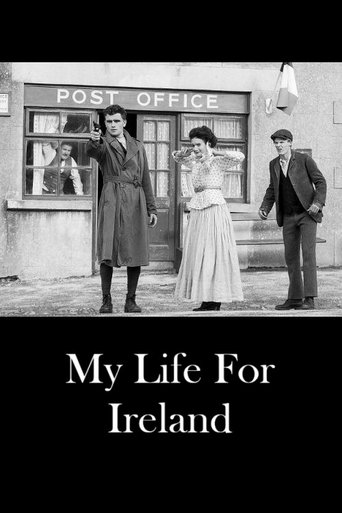
Ireland, Easter, 1916. In Dublin, Irish rebel Patrick Pearse leads a revolt to free Ireland from the grips of the British Empire. Owen, a young Irish patriot, wants to join them in their fight for freedom.
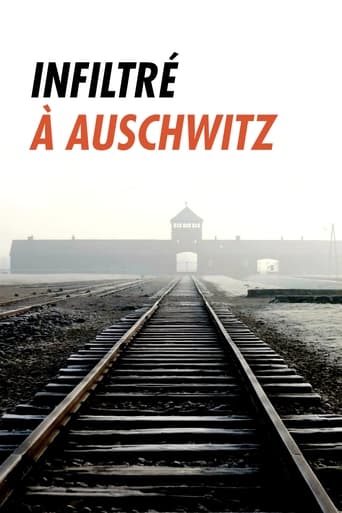
Warsaw, September 19, 1940: a Polish officer is captured during a raid by the German army. In reality, the SS have just fallen into a trap. This man has organized everything to be arrested. His name: Witold Pilecki. His mission: to be interned in Auschwitz, to infiltrate the death camp. This film traces the story of one of the greatest resistance fighters of WWII, through the compilation of reports that the infiltrator smuggled to London from the concentration camp where he was detained.
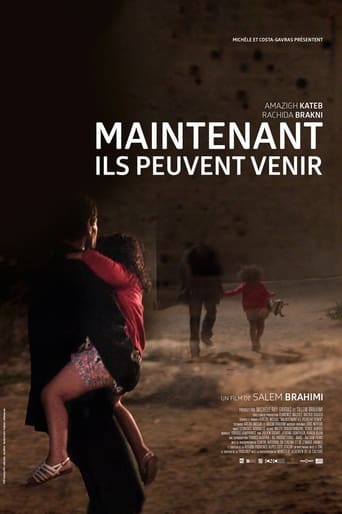
At the turn of 1990 in Algeria, in an end-of-era atmosphere marked by the victory of the Islamists in the municipal elections, then in the interrupted legislative elections of 1991, a prelude to a decade of particularly barbaric violence, the Algerians will experience the radical Islamism, its desire to rule public and private life and a daily life of attacks, assassinations, then collective massacres, which left 200,000 dead. Literature and cinema have strived to question and bear witness to the enormous trauma of this period called the “black decade”.
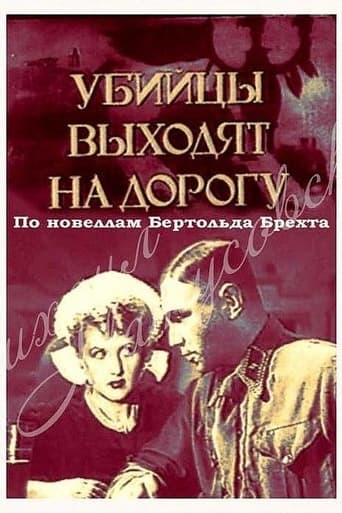
Brecht's play Fear and Misery of the Third Reich consists of a series of playlets, portraying National Socialist Germany of the 1930s as a land of poverty, violence, fear and pretence. Nazi antisemitism is depicted in several of the sketches, including "the Physicist", "Judicial Process", and "the Jewish Wife".
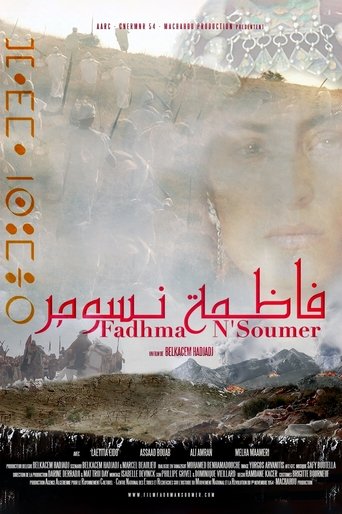
This film, is about the courage and the determination of a young woman in djurdjur"as mountain in Algeria, fighting for her ancestor land during the earlier years of french occupation.
Activate Your Account!
You must create an account to continue watching