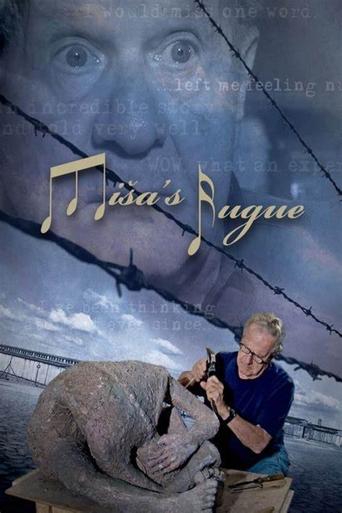
The true story of one boy's journey as a victim of Nazi oppression. While exposed to some of the most horrific events of the Holocaust, Misa was able to endure the atrocities of genocide through his love of art and music.
During World War II three best friends are mobilized into the Waffen-SS Latvian Legion. Years later their fates continue to intertwine, as memories of war loom in back of their minds.
This picture has been very popular wherever it has been shown on the Biograph. To begin with, the film is unusually fine photographically, and the picture is taken from a point of view which shows the immense distances of Camp Wikoff with its multitude of tents in the background.
After studying Central female school where learner was trained as a spinier, in 1943 Aliya joined the Soviet armed force with her girlfriends .She shot an German sniper who killed many Soviet soldiers in an fighting action.
The story of the Arab-Israeli War of 1967, in which the 'occupied territories' were won.
A guy escapes from prison. It turns out he has sensitive information the government would kill to keep secret. They send a guy to do just that. Wackiness ensues.
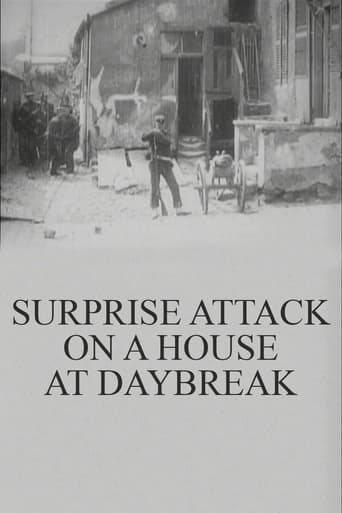
Soldiers ambush a house. This is the Alice Guy version, not to be confused with the less accessible Lumiere of the same title from the same year.
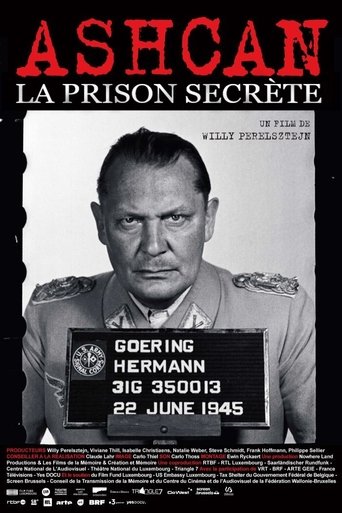
ASHCAN is a theatrical docu-fiction. It tells the story of the secret prison where the main Nazi leaders were incarcerated following the Allied victory on May 8, 1945 under U.S. authority at Mondorf-les-Bains, Luxembourg.
A film about the national hero of the Bashkir people Salavat Yulaev, the leader of the Bashkirs in the peasant uprising led by Yemelyan Pugachev.
The issue of young Muslims traveling from Europe to countries such as Syria and Somalia to fight with Islamic rebels is a highly topical one, making this story of a Danish-Somalian boy even more relevant. His back turned to the camera as he looks out over a nondescript housing development in Copenhagen, “The Shadow” describes how he fell victim to recruiters from the militant Somalian rebel group al-Shabaab. He outlines the conditions that make boys such as him susceptible to the lure of the “holy war,” explaining that, “Nothing in my life made any sense.” So eloquent is he in his account that one might think it was scripted, but what happened to him is as real as the scenes from a suicide attack by one of his former friends.
Dimitris and Maria postpone their wedding, as the declaration of war will separate them. Dimitris will fight on the front lines and later join the Resistance. The deputy leader of his resistance organization is fatally wounded in a sabotage operation against the Germans. The revelation that he is Maria's father, who had been searching for her for many years, brings pain to the already troubled couple. But the war will end and the two young people will finally have the chance to live happily together.
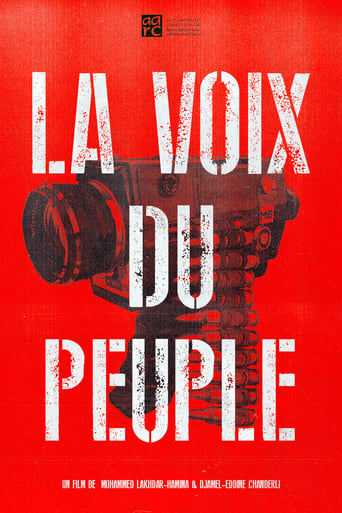
“La Voix du Peuple,” composed of archival photographs by René Vauthier and others, exposes the root causes of the armed conflict of the Algerian resistance. Participating in a war of real images against French colonial propaganda, these images aimed to show the images that the occupier had censored or distorted, by showing the extortions of the French occupation army: torture, arrests and arbitrary executions, napalm bombings, roundabout fires, erasing entire villages from the map, etc. This is what the French media described as a “pacification campaign”.
A lieutenant signals the flagship to destroy an enemy chateau.
Also known as Hong Kong.
A poor village in Herzegovina suffers from constant flooding and different armies that periodically plunder the countryside. One woman is convinced that the solution to the problems lies in making a tunnel that should take the water to the sea.
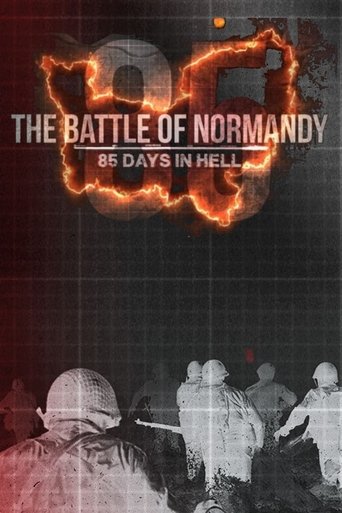
On the morning of June 6, 1944, thousands of ships reached the French coast of Normandy as part of an Allied operation to take back France from the Germans. For the next 85 days, U.S., British, and Canadian soldiers engaged in conflicts of unimaginable violence, conquering and liberating the region's cities, but at the cost of hundreds of thousands of lives. From the D-Day invasion to the final Nazi surrender in Argentan, this is the definitive story of the three-month Battle of Normandy as it's never been seen before.
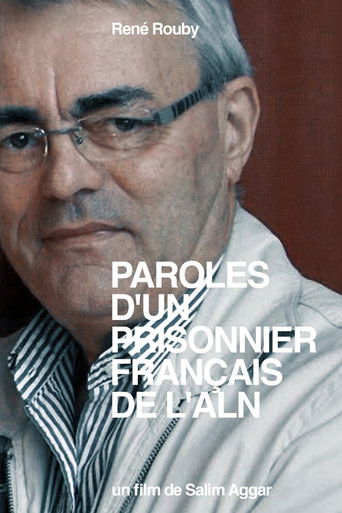
The image of French prisoners was very often evoked in Algerian cinema and literature, but until today, no Algerian or even European report or documentary had given voice to one of these French prisoners of the war of Algeria. In the interest of truth and writing history, we set out in search of one of these French witnesses. This witness is René Rouby, prisoner of Amirouche's group for more than 114 days in 1958 in the Akfadou region in Kabylia. This is the first testimony from a French prisoner of the ALN (the National Liberation Army).
Activate Your Account!
You must create an account to continue watching